GLP-1 Diarrhea: Causes, Care and Warning Signs
Diarrhea is one of the reactions listed on the labels for GLP-1 medicines such as Ozempic, Wegovy, Mounjaro and Zepbound. This page covers GLP-1 diarrhea in plain language, including why it happens, how to protect hydration, what to eat during episodes, and the red flags that need care. It is education only, not medical advice.
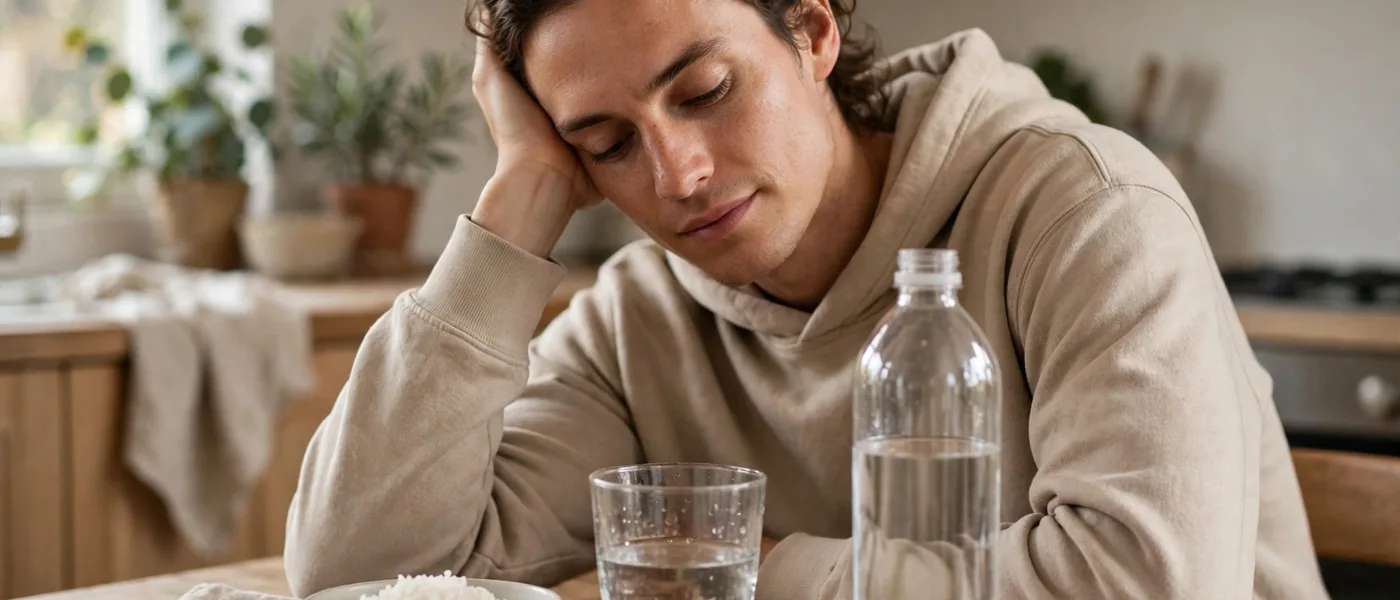
Why diarrhea happens on GLP-1 medicines
Diarrhea, meaning loose or frequent stools, is listed among the common reactions in the prescribing information for this class, alongside nausea, vomiting and constipation. It may seem odd that the same medicines are linked to both diarrhea and constipation, but digestion is being changed in several ways at once: stomach emptying slows, gut movement and appetite change, and food choices often change sharply at the same time. The result differs from person to person, and some people swing between loose stools and constipation in the early weeks.
Like other stomach related reactions, diarrhea is reported most often during dose escalation, when the dose is being stepped up. Rich or fatty meals, very large meals, and sudden increases in fiber or in sugar free products containing sugar alcohols can all add to the problem in someone whose gut is already adjusting.
Hydration first: the main risk is fluid loss
The most important part of care during diarrhea is replacing fluid. Each loose stool loses water and salts, and appetite and thirst are often reduced at the same time, so intake can fall behind losses quickly. Sip fluids steadily through the day rather than drinking large amounts at once: water, clear soups and broths are practical starting points. Signs of dehydration include a very dry mouth, dark urine or passing very little urine, dizziness, headache, unusual tiredness and feeling faint on standing.
The labels carry a specific warning that connects fluid loss to the kidneys. The prescribing information advises that kidney problems, including worsening of existing kidney disease, have been reported in people who lost a lot of fluid from vomiting or diarrhea on these medicines, and that staying hydrated matters. That is why diarrhea that stops you drinking enough should never simply be waited out, especially for older people and anyone who already has kidney problems or takes water tablets or blood pressure medicines that affect the kidneys. Ask your pharmacist or doctor for advice early in that situation.
What to eat during episodes
During an episode, small amounts of plain, low fat food are usually easiest: plain rice, toast, plain pasta, bananas, applesauce, clear soup and plain crackers are common choices. Keep portions small and eat little and often rather than facing a full meal. Foods that commonly worsen loose stools are worth pausing until things settle: very greasy or fried food, very spicy food, rich sauces, large amounts of caffeine, alcohol, and large servings of raw high fiber vegetables. Some people also find milk and rich dairy harder to tolerate during episodes, even if dairy is normally fine.
As stools firm up, return to your normal GLP-1 eating pattern gradually: protein at each meal, fiber added back step by step rather than all at once, and fluids kept up. A sudden return to a large, rich meal is a common way to trigger a second episode.
Habits, triggers and dose timing
A brief note of episodes, meals and dose dates often reveals the pattern. If diarrhea reliably follows dose increases, tell your prescriber: stomach reactions are a common reason a prescriber holds a dose at the same level for longer before the next increase. Do not change, skip or split your own dose to manage diarrhea, and do not start an anti diarrhea product without asking a pharmacist first, especially if there is fever or blood in the stool, because those features change what is safe. Reviewing other medicines and supplements with your pharmacist can also help, since several common products can loosen stools on their own.
Red flags: when to seek care promptly
Get medical care promptly for diarrhea with blood in the stool, a fever, or severe or persistent stomach pain, which the labels list as a warning sign of pancreatitis. The same applies to signs of dehydration such as passing very little urine, dizziness or fainting, repeated vomiting alongside diarrhea, or being unable to keep fluids down. Diarrhea that continues day after day without improving, keeps returning, or causes weight loss beyond what treatment intends also needs assessment rather than home management. Infections and other medical causes can produce diarrhea that has nothing to do with the GLP-1 medicine, and they should not be missed by assuming the medicine is responsible.
Settling back into normal eating
Recovery has its own rhythm. Start with fluids and plain foods while stools are loose, then, as they firm up over a day or two, reintroduce your usual foods in small portions, one meal at a time. Bring fiber back gradually rather than in one large serving, because a sudden fiber load can loosen stools again in a gut that is still sensitive. Protein should return early in the recovery, in plain forms such as eggs, chicken, fish, tofu or yogurt if dairy sits well, because several days of very low intake can leave you weak and can cost muscle during weight loss.
If episodes keep returning in a cycle, look for the repeating element before blaming the medicine alone: a particular restaurant meal, a sugar free product used in large amounts, a supplement started recently, or the days immediately after each dose increase. A short food and symptom note makes that pattern visible, and it gives your prescriber or pharmacist something concrete to assess. Repeated episodes are a reason for a review, not for quietly eating less and less.
Frequently asked questions
Is diarrhea a listed side effect of GLP-1 medicines?
Yes. Diarrhea is listed among the common reactions in the prescribing information for GLP-1 medicines such as Ozempic, Wegovy, Mounjaro and Zepbound, alongside nausea, vomiting and constipation. Like other stomach reactions, it is reported most often while the dose is being increased.
What is the main danger of GLP-1 diarrhea?
The main risk is dehydration from fluid loss, made more likely because appetite and thirst are often reduced. The labels warn that kidney problems have been reported in people who lost a lot of fluid from vomiting or diarrhea on these medicines, so keeping fluids up, and seeking advice early if you cannot, really matters.
What should I eat during a GLP-1 diarrhea episode?
Small amounts of plain, low fat food usually sit best: plain rice, toast, plain pasta, bananas, applesauce, clear soup and crackers. Pause very greasy, spicy or rich food, alcohol and large amounts of caffeine until stools settle, then rebuild your normal protein and fiber pattern gradually.
When should diarrhea on a GLP-1 get medical care?
Seek care promptly for blood in the stool, fever, severe or persistent stomach pain, repeated vomiting, signs of dehydration such as passing very little urine or feeling faint, or being unable to keep fluids down. Diarrhea that continues without improving also needs assessment.
Should I change my dose if diarrhea keeps happening?
No, not on your own. Tell your prescriber about the pattern, especially if episodes follow dose increases, because holding the dose for longer is a common response. Do not change, skip or split a dose, and ask a pharmacist before using an anti diarrhea product.