Alcohol on Ozempic: What the Label and Trials Say
Many people on Ozempic ask whether alcohol is allowed, and the label answer is simpler than the rumors: the prescribing information does not ban alcohol. The fuller picture involves low blood sugar context for people with diabetes, reports of reduced tolerance, and plain calorie arithmetic. This page sets out what is documented and what is only reported. It is education only, not medical advice.
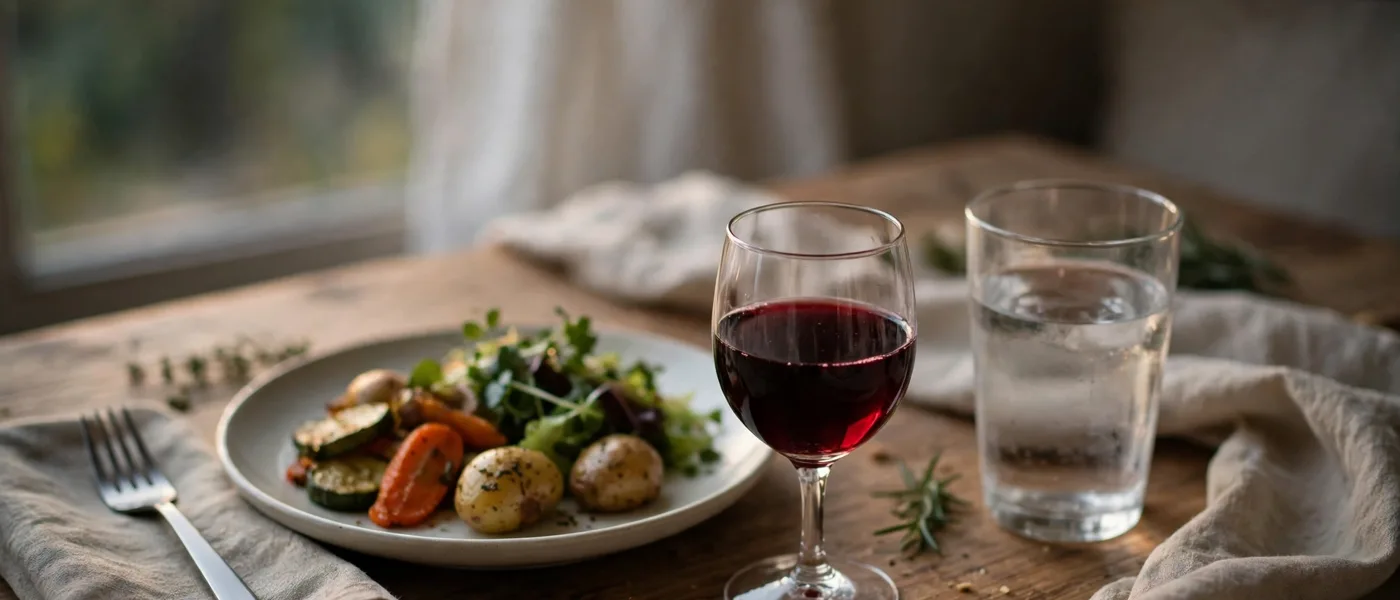
What the Ozempic label actually says about alcohol
Start with the document that matters. The FDA approved prescribing information for Ozempic does not prohibit alcohol, does not list alcohol as a contraindication, and does not describe a direct interaction that makes drinking forbidden for everyone on the medicine. Ozempic is approved for type 2 diabetes, and also to reduce kidney disease progression risk in type 2 diabetes with chronic kidney disease. Nothing in that approval turns on patients never drinking. Claims that the label bans alcohol, or that one drink is dangerous for every user, go beyond what the label says.
Absence of a ban is not the same as a recommendation to drink, and labels are written for safety decisions, not lifestyle encouragement. The label does contain warnings that change how alcohol should be thought about, especially around low blood sugar and around stomach effects, and those are covered next. It also helps to know that alcohol was not a focus of the Ozempic trials: the trials studied blood sugar and related outcomes under controlled conditions, so trial publications do not provide a neat verdict on social drinking. Honest guidance has to combine the label, the diabetes context, and reported experience, labeled as such.
Low blood sugar: the diabetes context that matters
The label warns that the risk of hypoglycemia, meaning low blood sugar, is increased when Ozempic is used together with insulin or with a sulfonylurea, another class of diabetes medicine that drives insulin release. On its own, Ozempic has a lower hypoglycemia profile because its insulin effect depends on blood sugar levels, but combinations change that. Alcohol belongs in this conversation because drinking, especially without food, can also push blood sugar down and can mask the early warning feelings of a low, for the drinker and for people around them.
For a person with diabetes on insulin or a sulfonylurea, that overlap is the main clinical reason for caution, and it is a reason to discuss drinking honestly with their own clinician rather than to improvise rules. Practical habits people with diabetes commonly describe include not drinking on an empty stomach, eating carbohydrate and protein containing food with a drink, and being more careful with blood sugar checking on drinking days. Those are general habits, not label instructions. Anyone unsure whether their other medicines raise hypoglycemia risk should ask their prescriber or pharmacist directly, because the answer depends on their exact prescription.
Reduced tolerance: what people report
A common report from people on GLP-1 medicines is that alcohol affects them sooner, or feels stronger, than it did before treatment, and that interest in drinking often falls along with appetite. These are reports, not trial findings, and this page describes them as reports on purpose. Plausible contributors are easy to list: people are eating less, body weight is falling, and stomach emptying is slower, all of which can change how a drinking occasion feels. None of that has been measured into a reliable number anyone can plan around.
The safe response to an unpredictable change in tolerance is behavioral, not mathematical: treat your previous normal as out of date, start with less than you used to drink, pace slowly, alternate with water, and stop early rather than testing limits. Nausea is also more likely when alcohol meets a slowly emptying stomach and a rich meal, and a night that ends in vomiting is a miserable, and dehydrating, outcome on any medicine. If drinking repeatedly causes problems, that pattern is worth raising with your own clinician.
Empty calories and weight goals
Alcohol carries calories that provide no protein, no fiber and no fullness, which is why they are often called empty calories. For someone taking a GLP-1 medicine for weight related goals, regular drinking can quietly offset part of the reduced intake the medicine creates, and drinking occasions often bring extra food with them. Sugary mixers and large servings add further calories on top. None of this requires total abstinence to matter: drinking less often, choosing smaller servings, and skipping the sugary mixer are changes that show up in overall intake.
There is also an appetite angle some people report: after drinking, resolve about food softens, and late evening snacking follows. On treatment, that snacking lands in a stomach that empties slowly, which can mean discomfort at night and reflux in bed. Keeping evening food small and earlier, as the eating out on GLP-1 guide suggests, helps whether or not alcohol is involved. The point of this section is arithmetic and comfort, not moral judgment: alcohol is one of the easier calorie sources to reduce because nothing nutritional is lost by reducing it.
Stomach effects, hydration and sensible limits
Ozempic commonly causes nausea and other stomach effects, especially during dose increases, and alcohol irritates the stomach in its own right. Combining the two on a sensitive day, such as soon after an injection or a dose change, is when people most often report a bad experience. Choosing not to drink on those days is a simple, low cost adjustment. Dehydration is the other overlap: alcohol increases fluid loss, appetite suppression reduces drinking and eating, and vomiting or diarrhea at the same time can deplete fluids quickly, so water before, during and after a drinking occasion is a genuinely useful habit.
Finally, keep the general health picture in view. Alcohol guidance for the wider population already advises limits for reasons unrelated to any medicine, covering liver health, sleep, blood pressure and cancer risk, and a GLP-1 prescription does not remove any of that. People who do not drink gain nothing by starting. People who drink and are working on weight or blood sugar usually find that less alcohol supports both goals. And anyone who finds cutting down genuinely difficult should treat that as a health topic for their clinician, where support exists and judgment should not.
Frequently asked questions
Does the Ozempic label ban alcohol?
No. The FDA approved prescribing information for Ozempic does not prohibit alcohol and does not list it as a contraindication. That is not a recommendation to drink; it means the decision rests on your diabetes medicines, your health conditions and your goals, which is why personal advice belongs with your own clinician.
Why is low blood sugar mentioned with alcohol and Ozempic?
The label warns that hypoglycemia risk rises when Ozempic is combined with insulin or a sulfonylurea. Alcohol, especially without food, can also lower blood sugar and can mask the warning signs of a low. For people on those combination medicines, that overlap is the main reason for caution and for discussing drinking with their prescriber.
Why does alcohol seem to affect me more on Ozempic?
Many people report feeling alcohol sooner or more strongly on GLP-1 treatment, and many report less desire to drink. These are reports, not measured trial findings. Eating less, losing weight and slower stomach emptying may all contribute. The practical response is to drink less than your old normal, pace slowly, and stop early.
Will alcohol stop Ozempic from working?
Alcohol is not described in the label as blocking the medicine. The practical issue is calories: alcohol provides calories with no protein, fiber or fullness, and drinking occasions often add food, so regular drinking can offset part of the reduced intake behind weight loss. That is an arithmetic effect, not the medicine being switched off.
When should I avoid alcohol completely on Ozempic?
General education cannot set that rule for an individual. Days with significant nausea, recent dose increases, vomiting or poor fluid intake are poor days for drinking, and people with liver disease, a history of alcohol problems, or hypoglycemia risk medicines need personal advice. Ask your own doctor or pharmacist if you are unsure.