Oral Semaglutide: The Tablet, Its Rules and Its Uses
Semaglutide oral is semaglutide in tablet form, sold as Rybelsus for type 2 diabetes. This page explains what the tablet is, the strict empty stomach rule that comes with it, and why its dose numbers look so different from the weekly injections. It is education only, not medical advice.
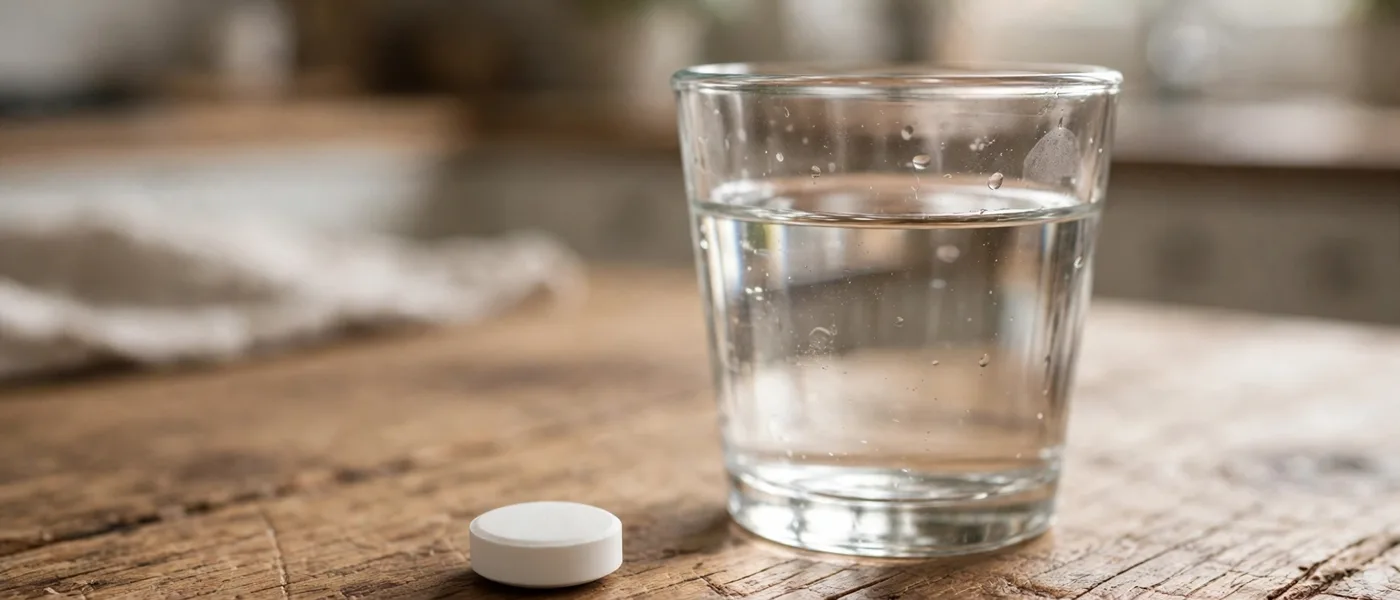
What oral semaglutide is
Semaglutide is the active ingredient in several well known medicines. Most people meet it as a once weekly injection, under the names Ozempic for type 2 diabetes and Wegovy for weight management. Semaglutide oral is the same active ingredient made into a tablet that is swallowed once a day. The tablet is sold under the brand name Rybelsus, made by Novo Nordisk, and its FDA approved use is improving blood sugar control in adults with type 2 diabetes, alongside diet and exercise.
That diabetes label matters. Rybelsus is not approved as a weight loss medicine, even though it contains the same drug that weight loss products use. A separate oral product under the Wegovy name covers weight management, and it is described on the Wegovy pill page. Keeping the brands and their labels apart avoids most of the confusion around this tablet.
The empty stomach rule, step by step
The Rybelsus label gives unusually precise instructions, and they are not optional detail. The tablet is taken first thing in the morning, on an empty stomach, before the first food or drink of the day. It is swallowed whole, not split, crushed or chewed, with a small amount of plain water only: the label says no more than about 4 ounces, roughly a small glass half full. No other drink counts, not coffee, not juice, and not a large glass of water.
After swallowing the tablet, the label says to wait at least 30 minutes before eating food, drinking anything else, or taking any other oral medicine. Many people set a timer, because the wait is part of how the medicine works, not a courtesy suggestion. Other medicines taken by mouth are commonly scheduled after that window, which is something to plan with a pharmacist if your morning routine already includes several tablets.
Why the rules are so strict
Semaglutide is a peptide, a small chain like the natural gut hormone it copies. Peptides are fragile in the stomach: acid and digestive enzymes break them down, which is why semaglutide was an injection for years. The tablet gets around this with an absorption helper built into the pill that briefly helps semaglutide cross the stomach lining near where the tablet sits. That crossing only works well in a narrow set of conditions: an empty stomach, a small amount of water, and time before anything else arrives to dilute or wash it away.
Even when every rule is followed, only a small fraction of the swallowed dose reaches the bloodstream. Food, extra fluid or another medicine taken too soon makes that fraction smaller still, so the same tablet can deliver noticeably less medicine on a careless morning than on a careful one. This is the whole reason the label is so demanding compared with an ordinary daily pill.
Why tablet dose numbers differ from injection numbers
People are often surprised that the Rybelsus tablets are numbered in whole milligrams taken every day, while the Ozempic injection is a fraction of a milligram taken once a week. The gap comes down to bioavailability, which is the share of a dose that actually reaches the bloodstream in a usable form. An injection places semaglutide directly under the skin, so nearly all of it is available and it then circulates for about a week. A swallowed tablet loses most of its dose in the stomach, so the starting amount in the pill has to be far larger, and it has to be taken daily, to deliver a comparable amount over time.
Because of this, the numbers on the two products cannot be compared or converted directly. A tablet strength is not the oral equivalent of the same number of milligrams by injection, and there is no safe do it yourself conversion between them. Switching between a tablet and an injection, in either direction, is a prescriber decision that follows the instructions for the specific product, not a matching of numbers.
The published tablet strengths
The Rybelsus label lists tablets of 3 mg, 7 mg and 14 mg. Treatment starts at the lowest strength for the first month, a step the label describes as getting started rather than controlling blood sugar, and then moves up if the prescriber decides more effect is needed. This slow start is a pattern across the whole GLP-1 class: the stomach side effects are most likely while the body is adjusting, and gradual increases are how the labels manage them.
As with every medicine on this site, describing the published strengths is education, not a recommendation. Which strength a person takes, and when it changes, depends on their blood sugar results and how they tolerate the medicine, and those calls belong to their prescriber.
Side effects and the class warning
The side effects listed on the Rybelsus label are the familiar ones for this class: nausea, stomach pain, diarrhea, decreased appetite, vomiting and constipation are the ones the label calls most common, and they tend to appear while doses are increasing. The label also carries the class boxed warning about thyroid C-cell tumors, and the medicine is not for people with a personal or family history of medullary thyroid carcinoma or with multiple endocrine neoplasia syndrome type 2, known as MEN 2. Anyone with worrying or persistent symptoms should contact their care team rather than pushing through.
Frequently asked questions
What is oral semaglutide?
Oral semaglutide is semaglutide, the GLP-1 medicine also used in the Ozempic and Wegovy injections, made into a once daily tablet. It is sold as Rybelsus and is FDA approved to improve blood sugar control in adults with type 2 diabetes, alongside diet and exercise.
How do you take the Rybelsus tablet correctly?
The label says to take it first thing in the morning on an empty stomach, swallowed whole with a small amount of plain water, no more than about 4 ounces. Then wait at least 30 minutes before eating, drinking anything else, or taking other oral medicines. Food or extra fluid too soon reduces how much medicine is absorbed.
Why are Rybelsus dose numbers so much bigger than Ozempic dose numbers?
Because of bioavailability. An injection delivers nearly all of its dose into the body, while a swallowed tablet loses most of its dose in the stomach, so the tablet starts with a much larger amount and is taken daily instead of weekly. The numbers describe different products and cannot be converted into each other.
Is Rybelsus approved for weight loss?
No. Rybelsus is approved for type 2 diabetes. Weight can change while taking it, but weight management is the label of the Wegovy products, including the Wegovy pill. Using Rybelsus for weight loss would be an off label decision for a prescriber, not an approved use.
Can I switch from a semaglutide injection to the tablet by matching the dose?
No. There is no milligram for milligram conversion between the injections and the tablet, because so much of a swallowed dose is lost in the stomach. Any switch is made by your prescriber using the instructions for the product you are moving to, never by matching numbers yourself.